
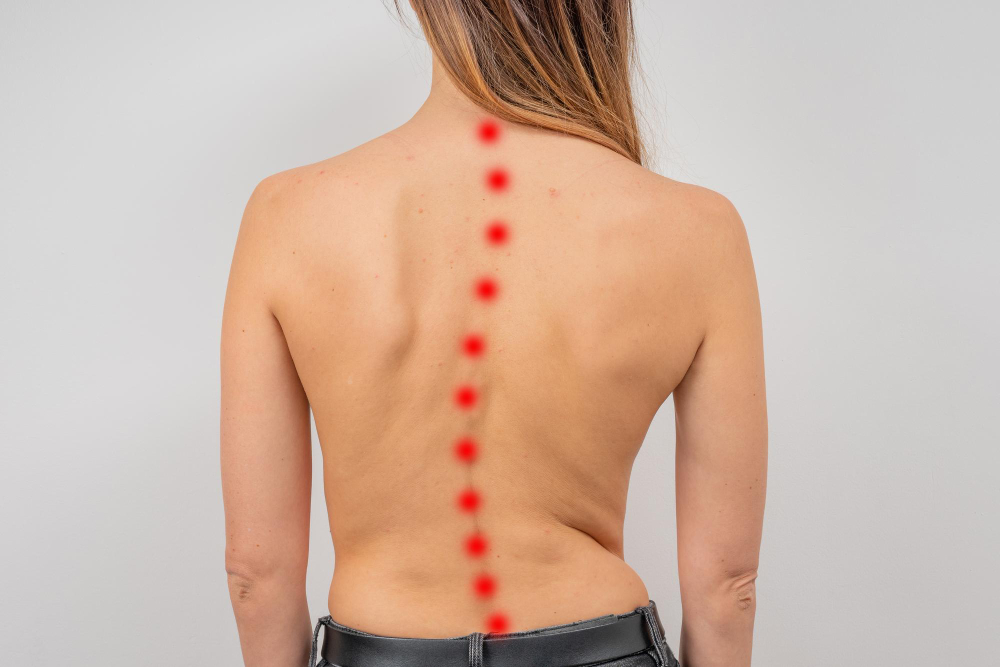
Understanding Scoliosis and Spinal Curvature
Scoliosis is a condition characterized by an abnormal sideways curvature of the spine, often accompanied by rotation of the vertebrae.
Although scoliosis frequently develops during childhood or adolescence, adults can also experience spinal curvature associated with aging, degenerative changes, or previously diagnosed scoliosis.
Signs of scoliosis may include uneven shoulders, an asymmetrical waistline, one hip appearing higher than the other, or a noticeable difference in the position of the shoulder blades.
Some people experience little or no discomfort, while others develop back pain, muscle fatigue, stiffness, or limitations in mobility.
The severity of scoliosis varies considerably. A medical evaluation, often including spinal imaging, helps determine the type and degree of curvature and whether monitoring or specialized treatment is needed.
How Floro Chiropractic Can Help Patients With Scoliosis
At Floro Chiropractic, Dr. Olinda Floro takes a whole-body approach to assessing the musculoskeletal discomfort that may accompany scoliosis.
Although chiropractic adjustments cannot reliably straighten a structural scoliosis curve or replace orthopedic treatment, selected conservative therapies may help some patients manage associated muscle tension, stiffness, and mechanical back pain.
Depending on the patient’s needs, supportive care may include gentle chiropractic techniques, soft-tissue therapy, mobility exercises, posture education, and recommendations for strengthening surrounding muscles.
Dr. Floro may also evaluate the hips, pelvis, and other joints to identify additional factors affecting movement and comfort.
For growing children and adolescents, chiropractic care should not replace medical monitoring, scoliosis-specific rehabilitation, or bracing when indicated.
Supporting Comfort and Mobility With Scoliosis
Individuals with scoliosis may benefit from an individualized exercise program designed to improve strength, endurance, and functional movement.
Scoliosis-specific physical therapy, including approaches such as the Schroth method, may be recommended by qualified clinicians.
At Floro Chiropractic, the focus of supportive musculoskeletal care is helping patients maintain comfortable movement and manage symptoms while continuing any necessary medical or orthopedic treatment.
Frequently Asked Questions About Scoliosis
Can adults develop scoliosis?
Yes. Some adults have scoliosis that began during adolescence, while others develop degenerative scoliosis as spinal discs and joints change with age.
Does scoliosis always cause back pain?
No. Many individuals with scoliosis have little or no pain. Symptoms depend on factors such as age, curvature, muscle function, and associated spinal conditions.
Can children with scoliosis see a chiropractor?
Children with scoliosis should receive appropriate medical assessment and monitoring. Chiropractic care may be considered for accompanying musculoskeletal complaints after discussing suitability with the child's healthcare team.
What happens if scoliosis is left untreated?
Some curves remain stable, while others progress, particularly during periods of rapid growth. Larger or progressive curves may require specialist monitoring, bracing, or other treatment.
Schedule a Scoliosis-Related Consultation in Eden Prairie
If scoliosis is contributing to back stiffness, muscle discomfort, or difficulty with everyday movement, Floro Chiropractic can discuss supportive care options as part of your broader treatment plan.